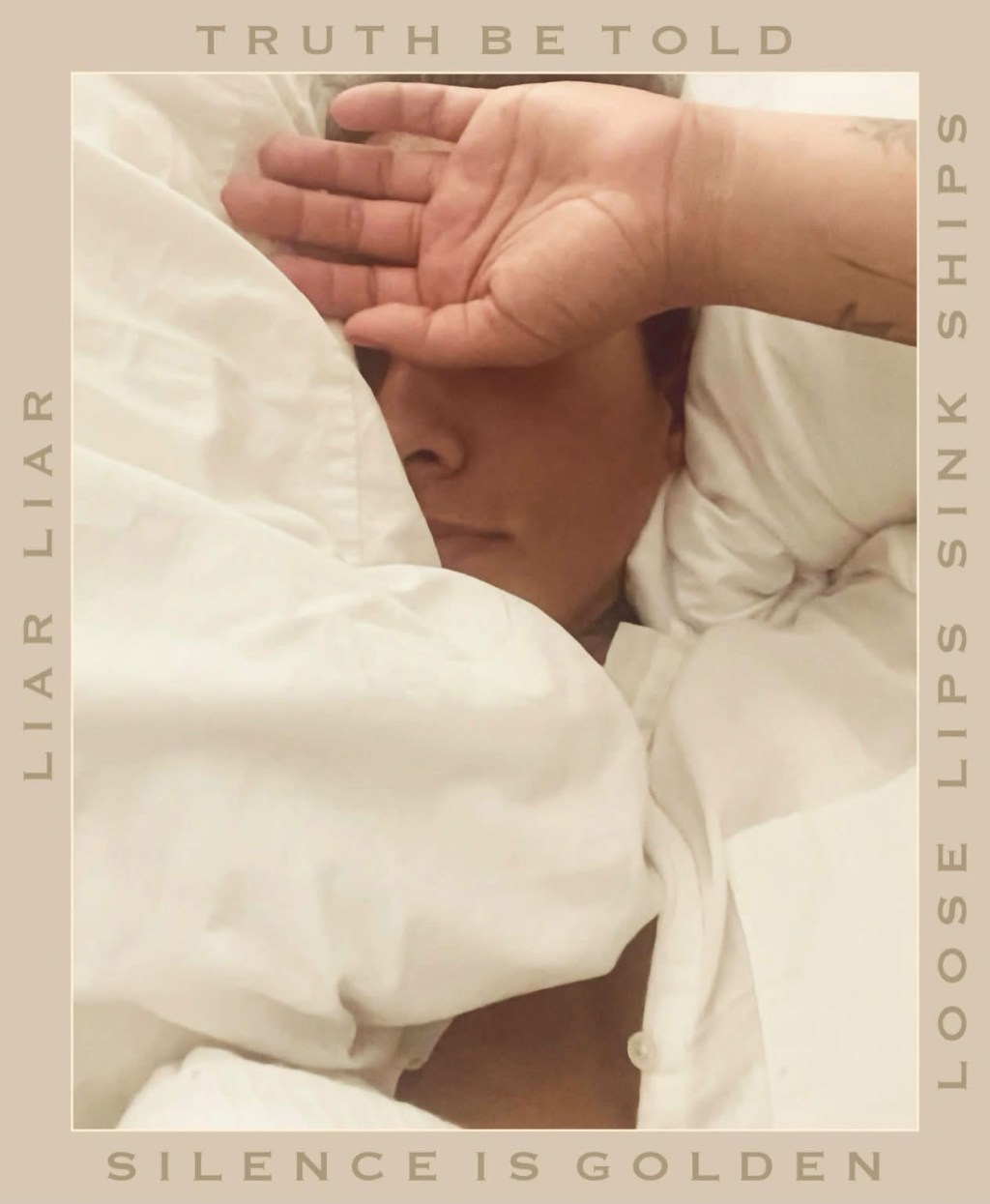
On Lies & Truths
There are personalities that constantly exemplify the virtues of being righteous or righteousness, and a comment that often gets added to their message is, “Don’t lie.”
From childhood to early adulthood, I’d go by this “don’t lie” belief and felt pride in abiding by that virtue. Until I caught myself using truth for payback.
I didn’t even stop to consider whether that was right or wrong. I simply felt justified because it was the truth I was using—an advantage I felt I deserved when people had cruelly wronged me.
So, when I started examining myself in my use of truth, I also started examining the use of lies by others.
“Wait a minute,” I thought… what about white lies?
Let’s say your child excitedly shows you a drawing they’ve been working on for hours, and in truth, it is god-awful. But with a little white lie, you tell them what a great job they’ve done. It brings a smile to their face; it brings them joy. What a wonderful white lie. Isn’t it?
Or that friend who just got a haircut that is not appealing to their features, but you make friendly jest of it, without using a harsh truth, in order to not bring them down and help them get through a shameful moment.
And on and on I could go, exemplifying and demonstrating to you, dear reader, constructive uses for lies and destructive uses of truth, and everything in between.
The more I examine the subject, the easier it becomes for me to care less about what other people do with their truths and their lies.
How many children have grown up in foster care or on the streets, where their only means of survival has been the use of lies and deception?
On the opposite side of the lie spectrum, we might place politicians and the most powerful world leaders—or oppressors, actually. And we all know what that’s like, so I don’t even have to describe it.
As for my shattering spewings of truth, like a viper, commonly non-premeditated, I knew exactly the moment to eject the painful poison. And I’d think—I’ve been nice. You pushed me too far. You deserve this.
But did that bring honor to my heart and spirit?
In the passing of years, I realized that telling the truth can become a morally destructive act when the intention behind it is retaliation. And conversely, a lie can sometimes be motivated by compassion rather than manipulation.
In the passing of years, I realized that telling the truth can become a morally destructive act when the intention behind it is retaliation. And conversely, a lie can sometimes be motivated by compassion rather than manipulation.
Not every truth needs to be spoken, and not every kindness requires a lie.
Someone else’s lie doesn’t automatically require my exposure of it.
Someone else’s truth doesn’t automatically deserve my attention.
What would a Zen master do? Deliver the truth through purposeful phrasing, a softened tone, and brevity? Choose silence and a stern gaze rather than lying?
This is what I’m gravitating toward.
And, of course, it is much harder to apply than it reads.
Truthfulness and morality are not necessarily the same thing. What do you make of this?
“Rely on the Spirit: Because human effort alone fails, taming the tongue requires yielding to the power of God’s Spirit working within you.”


Leave a Reply