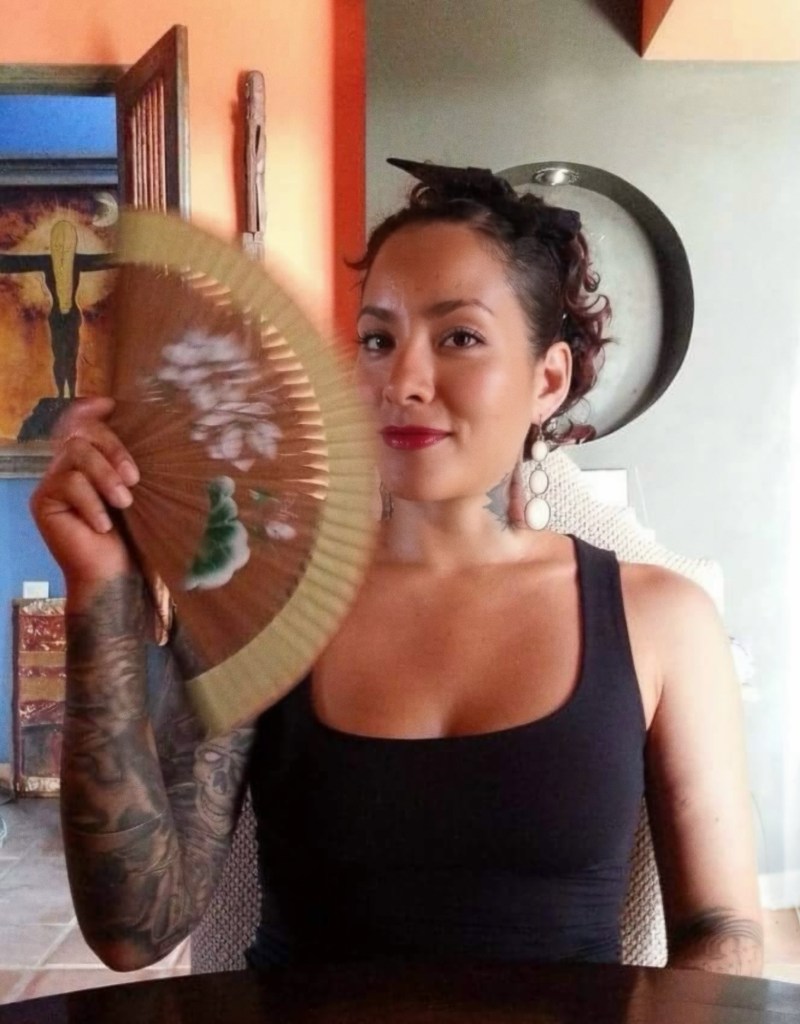
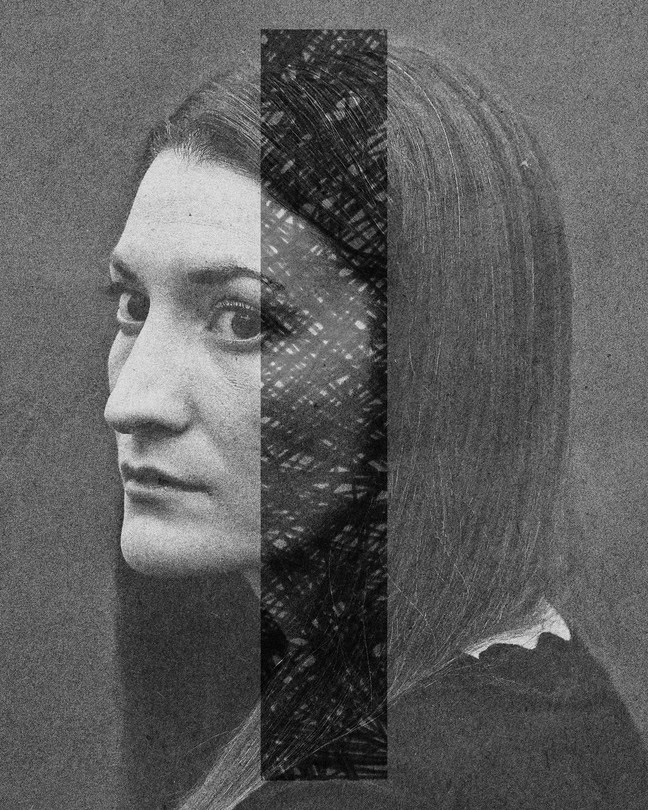
I’ve opened a new space on Substack, dedicated to something rather different from my usual publications.
This is where I share more intimate stories drawn from my own unsettling life experiences. Some are deeply revealing; others are terrible enough to deserve a twist of dark humor and cartoonesque analogies.
Come take a closer look to the ways in which I’ve made sense of the cruel dimensions around me in order to survive.
Written with candor, curiosity, and an unapologetic appreciation for storytelling.
Exclusively for paid subscribers.
Just as there is light, there is also thick darkness. I believe that entering both realms can lead us to see the truth more clearly.
I’m a bit late with today’s post, as I’ve been adjusting to a new environment and reconnecting with my family.
Today’s subject stems from recent conversations about our experiences in the workforce.
How interesting it is that something as innocent as approaching everyday situations intellectually can so often elicit unsavory reactions.
What I haven’t mentioned in these conversations is that I’ve been actively working on my communication style, timing, and delivery in an effort to minimize these kinds of adverse outcomes.
It has never, in my entire life, been my intention to outsmart or outdo anyone.
And yet, somehow, I seem to have managed to do just that.
I suspect this is the experience of many of my fellow intellectuals. Somehow, we’ve managed to become the enemy… of sorts.
In many of these instances, the unfavorable reactions I’ve encountered have occurred while I was simply exploring a subject, under the assumption that the other person was just as inquisitive as I am.
Both professionally and personally, this has been a recurring challenge—one I’m still learning how to navigate.
As a child, my expressions were received as endearingly witty. As an adult, however, that same quality seems to have earned me the label of being “high-handed.”
It’s as confusing to me as it must be to the person on the receiving end.
Because, as we’ve been sharing in these recent conversations, all we’re trying to do is be ourselves. And somehow, who we are is being interpreted as something we are not.
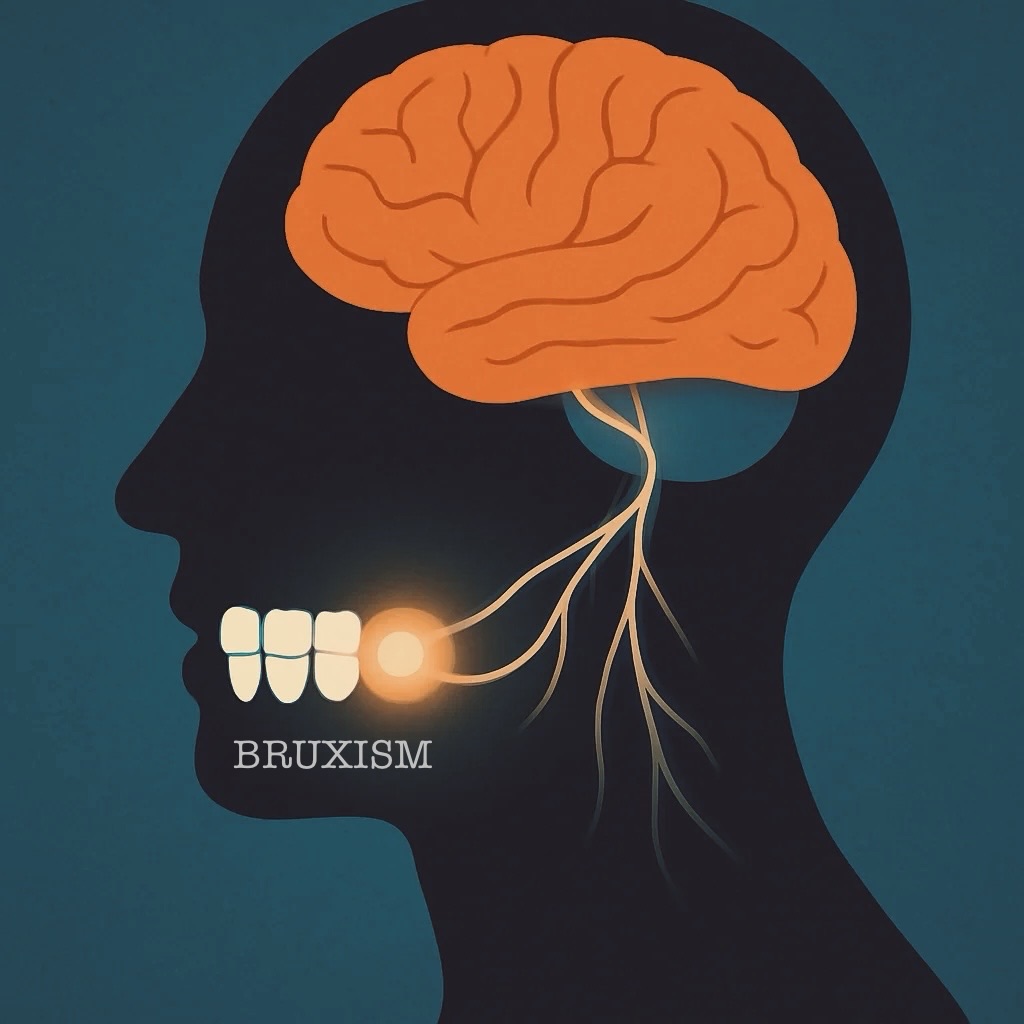
After thoroughly examining my dental situation and facial structure, and explaining the procedures and options available to address my health concerns, the dentist firmly but calmly looked into my eyes and said, “I can do all sorts of things to give you the aesthetic results you want, and prescribe pills for the pain. But this is just surface-level. I suggest you go to a psychologist.”
May the symptoms direct you to the source.
He then continued, calmly and courteously, “Please… don’t get me wrong. Look at it in a practical way. You need to talk to somebody.
Because all this—the clenching of your jaw when you sleep, the migraines, your neck tension—is a reflection of the pressure you’re going through.”
He continued, “Maybe today it’s your mother’s passing, accompanied by a new job. Maybe before, it was moving to another country. And we know that, in time, another discomfort will surely arise. You have to talk about this with someone who can help alleviate the pressure.”
He didn’t break eye contact. His gaze was firm but reassuring.
I was shaken. I went, well, speechless.
And although I do appreciate the comment, today I woke up knowing where that pressure comes from. I’ve actually known all along; it’s just that, recently, it’s become so much clearer. And that’s why I’ve been writing more. I literally feel compelled to do so.
So, with that in mind, I’ve created my Substack account. It’s where I’ll post stories without restraint or filter, for readers aged 21 and up.
The Other Side of the Story
Some names will be changed at the discretion of those involved, although I don’t consider myself obligated to offer them that much consideration.
My blog covers certain subjects that are open to a broader audience, but my Substack is where I’ll share my suspense and glitz-and-glamour stories, all based on true happenings, darker experiences, betrayal, and other unfortunate events.
Some stories are better left untold, but some simply refuse to stay buried.
When I was a tiny kid, my dad would often firmly but calmly respond to my questions: ‘Think, Amanda, think.’
My dad wasn’t quick to answer our “dumb” questions. He didn’t try to fix everything for me. He made me read maps while he was driving, and held me accountable for a wrong turn or a missed exit. He didn’t make things easy for me.
On purpose.
Yet somehow, throughout my life, I’ve dated men who would mockingly throw lines at me—’Maybe you shouldn’t read so much,’ ‘You’re too smart for your own good,’ or ‘Check out the big brains on Sunset.’ They’d sarcastically sigh, ‘Yes, Sunset has all the answers.’
And that has often left me genuinely confused.
What is the alternative? Can someone please fill me in on the memo?
Because I was raised to think, question, learn, figure things out, take responsibility, and help others. Apparently this is awful wrong and worthy of ridicule and contempt.
So sometimes I wonder if I simply wasn’t bred to date the way people so easily—or freely—do.
I was raised to think independently to ever feel comfortable pretending I don’t.
Many times I’ve pictured that the best way to describe how my position feels is to compare it to a feline trapped in a cage—heavily panting, pacing to and fro from every corner with a restless mind and a heavy heart.
So please don’t hold me back—not in thoughts, words, or energy. And in the words of my father, ‘If you’re not helping, get outta the way.’
At this point in my life, I can’t satisfy anyone’s need for me to sit pretty and stroke egos. I’ve got things to do and places to be.
Sorry, darlin’, I can’t be your pretty decoration—I’m not a ‘do-nothing bitch.’ Time to catch a plane. And I’m out!
My name is Sunset Amanda. And I choose to think brighter.
There are personalities that constantly exemplify the virtues of being righteous or righteousness, and a comment that often gets added to their message is, “Don’t lie.”
From childhood to early adulthood, I’d go by this “don’t lie” belief and felt pride in abiding by that virtue. Until I caught myself using truth for payback.
I didn’t even stop to consider whether that was right or wrong. I simply felt justified because it was the truth I was using—an advantage I felt I deserved when people had cruelly wronged me.
So, when I started examining myself in my use of truth, I also started examining the use of lies by others.
“Wait a minute,” I thought… what about white lies?
Let’s say your child excitedly shows you a drawing they’ve been working on for hours, and in truth, it is god-awful. But with a little white lie, you tell them what a great job they’ve done. It brings a smile to their face; it brings them joy. What a wonderful white lie. Isn’t it?
Or that friend who just got a haircut that is not appealing to their features, but you make friendly jest of it, without using a harsh truth, in order to not bring them down and help them get through a shameful moment.
And on and on I could go, exemplifying and demonstrating to you, dear reader, constructive uses for lies and destructive uses of truth, and everything in between.
The more I examine the subject, the easier it becomes for me to care less about what other people do with their truths and their lies.
How many children have grown up in foster care or on the streets, where their only means of survival has been the use of lies and deception?
On the opposite side of the lie spectrum, we might place politicians and the most powerful world leaders—or oppressors, actually. And we all know what that’s like, so I don’t even have to describe it.
As for my shattering spewings of truth, like a viper, commonly non-premeditated, I knew exactly the moment to eject the painful poison. And I’d think—I’ve been nice. You pushed me too far. You deserve this.
But did that bring honor to my heart and spirit?
In the passing of years, I realized that telling the truth can become a morally destructive act when the intention behind it is retaliation. And conversely, a lie can sometimes be motivated by compassion rather than manipulation.
In the passing of years, I realized that telling the truth can become a morally destructive act when the intention behind it is retaliation. And conversely, a lie can sometimes be motivated by compassion rather than manipulation.
Not every truth needs to be spoken, and not every kindness requires a lie.
Someone else’s lie doesn’t automatically require my exposure of it.
Someone else’s truth doesn’t automatically deserve my attention.
What would a Zen master do? Deliver the truth through purposeful phrasing, a softened tone, and brevity? Choose silence and a stern gaze rather than lying?
This is what I’m gravitating toward.
And, of course, it is much harder to apply than it reads.
Truthfulness and morality are not necessarily the same thing. What do you make of this?
“Rely on the Spirit: Because human effort alone fails, taming the tongue requires yielding to the power of God’s Spirit working within you.”
There’s a generalized misconception about what Minimalism truly is. So, I’m breaking this down into three different areas—Interior Design, Beauty, and Lifestyle.
In a way, I’ve been gradually becoming a spokesperson for this belief because I know in my heart that many people would benefit from adopting this lifestyle, as I have.
For Interior Design, I’ve noticed people complaining that Minimalism has killed a more lively experience, with its restricted color palette, typically using neutral tones like white, gray, and black, with lots of empty spaces. A commenter online wrote that Minimalism is “Destroying all the fun and color in the world.” To which I responded that when I had a condo, I kept spaces feeling empty because I dance, paint, and had DJ friends come over to rehearse their sets with all their equipment. Even a VJ was able to rehearse mappings and projections there.
When I asked a girlfriend to come pick up some of her stuff that I had been holding onto for a while, her husband took the last box and said, “There, now you have all this empty space.” I understood that maybe he wondered why it was so important for me to have them remove their things, as if I needed emptiness. But I did, in fact, need it. For some reason, I didn’t bother to explain. Maybe I could have, for the sake of a more nurtured friendship.
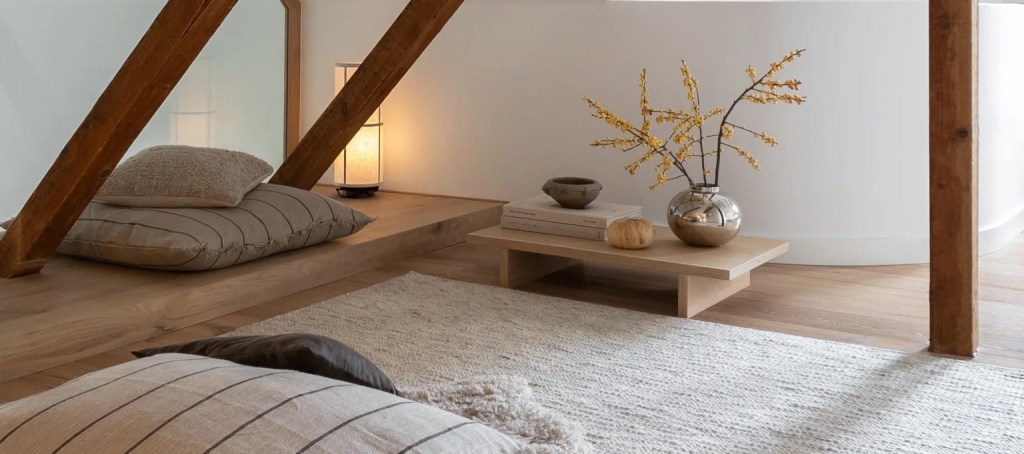
But back to the core subject: as with many other art forms, we are not bound to the rules. You can live a Minimalist Lifestyle without adhering to the Interior Design “rules.” I find that Interior Design can be quite flexible in the combination of elements. Take this image, for example. To me, the visual is automatically calming. It is Minimalist as a foundation, but this style specifically is known as Japandi. What is not to love?
“The Japandi interior design style is a hybrid style that blends Scandinavian functionality with Japanese minimalism. At its core, Japandi is about creating a space that is simple, intentional and calming.” — The Nordic Nest
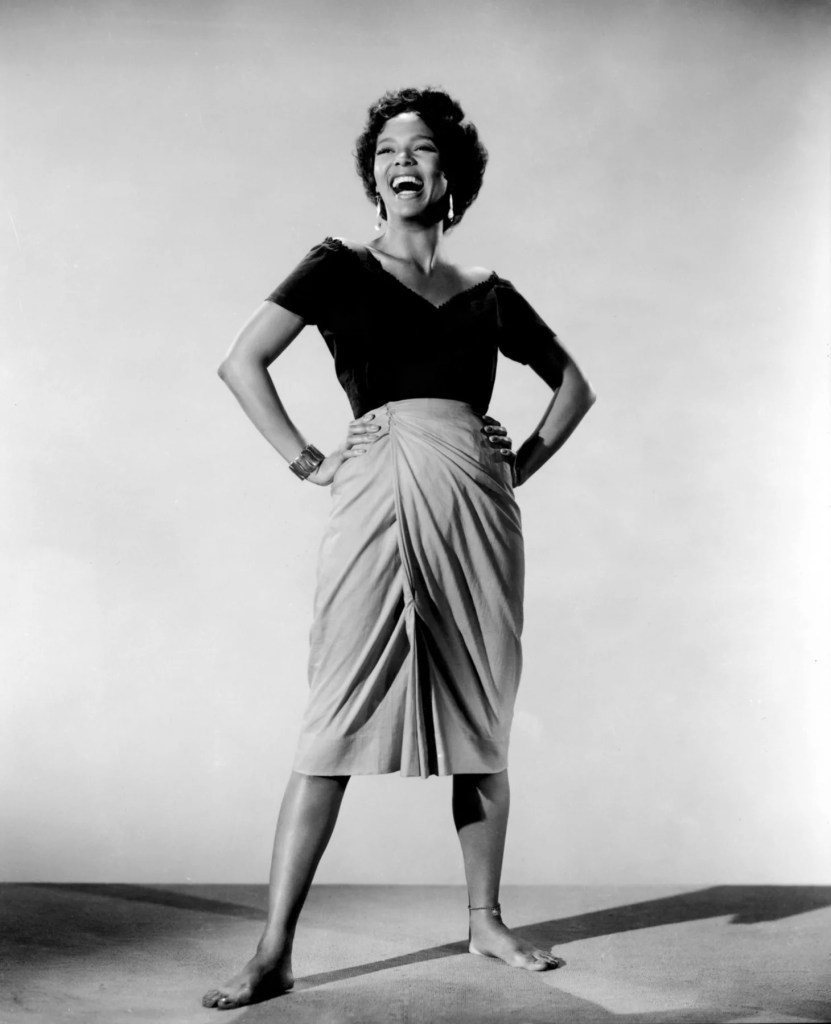
That being said, let’s approach what this means in Beauty. Firstly, Minimalism in Beauty should not be considered a fad. Especially because I came to find that many of the beauty practices we now associate with this minimalist aesthetic have historical roots in Black women’s beauty culture, particularly during the 1950s, when polished grooming and meticulous presentation carried particular social significance despite racial segregation and limited access to cosmetics.
Dorothy Dandridge, 1954 Library of Congress, Prints & Photographs Division
So, when a commenter on TikTok wrote that “the Clean Girl Aesthetic heavily relies on consumption of products because it’s trending,” I knew that this style could be further defined publicly.
I do understand, however, that any concept or lifestyle can become a channel for corporations to do what corporations do: identify something people desire, package it, market it, and turn it into an opportunity for capital gain.
That is where I believe personal responsibility comes in.
The moment a lifestyle becomes an aesthetic, it can also become a marketplace. Suddenly, you can be sold the “minimalist” wardrobe, the “minimalist” makeup collection, and even the “minimalist” objects you supposedly need to achieve the look.
And there is an irony in that.
A philosophy centered on having less can very easily become another reason to buy more.
This is where every person needs to hold responsibility for how they participate in the game. We can appreciate an aesthetic without purchasing everything associated with it. We can understand a philosophy without allowing someone else to define what we need in order to belong to it.
For me, that distinction is essential.
Minimalism isn’t about creating a new list of things you need to acquire in order to become a Minimalist. It is about becoming more conscious of what you already have, what you actually need, and why you feel compelled to acquire more.
The moment I decided to take on Minimal Living, I was at a pivoting point in my life. It was right after Lockdown in 2021. Everyone was struggling financially, and many businesses had to close. It felt so depressing. Every conversation, even with people whom I used to see as successful, was about struggle and loss.
So, as I typically do, I started to look for the benefit of the situation. I became enchanted with not-having. Every time I yearned for a nice pair of heels, I’d think, while holding it true in my being, “I don’t really need that right now.”
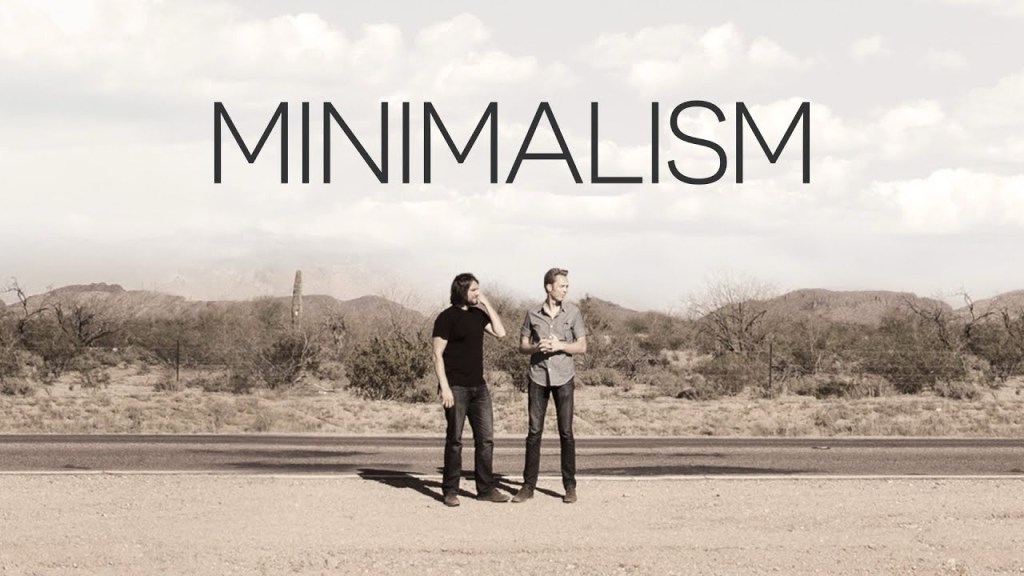
When we bring a perspective to life within ourselves, certain sources begin to appear to us that are aligned in the same direction. That’s when I stumbled upon this documentary that helped me further shape what I was to do with the rest of my life.
For me, Minimalism as a lifestyle leans on not hoarding.
If you don’t look at it, if you don’t use it, if it doesn’t work, get rid of it.
It’s not being a part of Fast Fashion and doing a full-glam look for everyday life, which requires the usage of many products.
It’s being intentional with shopping rather than impulsive. I ask myself: What do I truly need right now? Before even hitting the supermarket, the mall, or Amazon.
And for people with ADHD like myself, this is a game changer. And honestly, it’s taken me all these years to adhere to this self-defined lifestyle. Which, at the end of the day, is a habit, a discipline, a meditation.
For example, as a multi-creative person, I reveled in the freedom of doing whatever I wanted in the moment. I could design a shirt today, write a song tomorrow, create a choreography, draw in the middle of the night, and I had stuff EVERYWHERE.
But upon adopting Minimal Living, my desires went elsewhere. Now I automatically ask myself questions: What do I need to be doing now that will benefit me in the long run? Am I using my time wisely? Am I spending on the materials that are fundamental to my current focus?
Come, dear reader, come to Intentional Living with me.
La Independencia de México siempre me hace pensar en una pregunta que me ha acompañado durante muchos años: ¿qué significa pertenecer a un lugar?
Algunos allegados notarán que, a través de los años, se ha vuelto más notorio mi uso del idioma inglés, mi abundante compañerismo con extranjeros y pocos indicativos de mi participación en ciertas tradiciones y festejos mexicanos.
Quizás, más que nada, esto habita en mi mente: la posibilidad de que mis estimados mexicanos puedan catalogarme como una persona malinchista.
Empecé a sentirme un tanto atormentada por esta noción cuando me mudé a la CDMX en 2013 y comencé a notar que no conectaba tan fácilmente con las personas a nivel personal y que, en ocasiones, recibía burlas por mi acento y por lo que para ellos resultaba extraño de mis expresiones y maneras de ver la vida.
En lugar de ser esto una explicación, es una invitación a abrir panoramas.
El contenido educativo de la infancia que mis hermanos mayores y yo recibimos fue formado meticulosamente no solamente por mi padre, sino también por la institución a la que éramos fieles. Una de las creencias que más recuerdo es la de “no al patriotismo”. Si estudiábamos historia, era Historia Mundial; nuestras celebraciones eran principalmente para el compañerismo sano y musical; nuestros alimentos no estaban enfocados en las costumbres y tradiciones, sino principalmente en la nutrición calculada y en disfrutar de la naturaleza.
Bueno, no teníamos permitido ver la televisión, a menos que estuviera programado un partido o un evento especial. Prácticamente la totalidad de nuestro consumo musical y visual estaba diseñado para fortalecer las creencias que se nos inculcaban, y una que era el lazo principal a través de los años del movimiento: Todos Somos Uno.
Obviamente, como todos los chamacos traviesos, llegamos a romper las reglas. Mi hermano nos llamaba a ver la televisión a escondidas; fue en una de esas ocasiones que vi la película El Exorcista y quedé traumada durante años, con pesadillas incontables. Y después de ese mal sabor de boca, entendí por qué es importante cuidar lo que consumimos.
Intento no hacer el cuento demasiado largo, pero hay mucho buen jugo que exprimir.
Cuando me independicé, de manera propia, a los 18 años, comencé a pensar a dónde quería ir. Vi que mis amistades de la infancia o se fueron a los Estados Unidos o a Europa a hacer sus vidas. A lo que yo pensé: “¡Bueno! Pero si ni siquiera conozco mi país, a manera de cultura, tradiciones, los idiomas, la comida!” Y eso que ya habíamos vivido y transcurrido alrededor de 20 estados de la República.
Y en ese momento decidí enamorarme de México.
Un lugar al que, por nuestras actividades de caridad y el entorno en el que crecí, siempre miré como si lo viera desde afuera, como cuando un niño mira las burbujas de una pecera a través de un cristal, o un espectador al escenario de un teatro.
Claro que amo a mi país, pero jamás crecí creyendo en sus dirigentes. No me mueven las opiniones políticas; sé que todo eso es una fachada, desde que podía yo formar un pensamiento. Fui privada de conectar con mis raíces y quizás no logre sentir lo que muchos mexicanos sienten hacia sus tradiciones y sus familias; eso muchas veces me duele. No soy de aquí ni de allá.
Resulta que hablo inglés por mis estudios y por la mucha gente extranjera de la que crecí rodeada y, después, por mi trabajo, muchas veces dándose más por naturaleza que por decisión. Tampoco me creo estadounidense y no se me antoja vivir allá. Por eso también me apliqué al estudio de los idiomas, para no quedar encasillada con el inglés. Quiero conectar más allá.
Hubo un momento en que el acelerado cambio de Los Cabos y la inseguridad que experimenté en Guadalajara hicieron que mi corazón se rompiera al pensar que el México que había elegido estaba por perderse. Me fui del país con el deseo de no volver nunca más. Pero, por azares del destino, aquí estoy de vuelta.
Que viva México, cabrones. No hay que decirlo por simple hábito, sino porque llevamos fuego en el corazón y trabajamos en nuestra persona día a día para hacer las cosas cada vez mejor, apoyándonos los unos a los otros con transparencia y rectitud.
Dear reader, I invite you, as always, to take an interest and look a little deeper.
Years back, when I first began noticing or knowing about the feminist movement, I had my restraints in buying into what it was.
Mainly because, in my childhood, I was positively influenced by boys and men. I had my dad and three cool brothers to look up to. My best friend was a boy when I was about six years old. Our friendship revolved around innocent, constructive competition: who could run the fastest, who could climb a tree, who could color better.
So naturally, when I went about the world as a young adult, I continued having mostly male friends and admiring the good things about them.
Because early on I had very many negative experiences with girls and women—an emotionally absent mother, bullying, unfounded punishments, and harassment—I came to understand that either sex can have both positive and negative traits.
And this is why, although I did have very negative experiences with some men in my adult life, I have not wanted to commit to the saying that most women voice: “all men are the same.”
I did have some episodes where I was idealistic, but even that, I monitored. Now I more typically am in the “Who Knows?” mindset, which is the core of the scientific method and modern investigative ethics. It rejects the lazy shortcut of assuming “it’s always X” and instead insists on a case-by-case investigation.
Now to the core of this subject: the Lindsay Clancy case.
When a tragedy this immense occurs, it is understandable that the human brain craves a neat, absolute narrative to make sense of the horror.
“Twelve human beings sat in a room for seven days, looked at the exact same medical records, the same search histories, and the same testimonies, and could not agree on an absolute truth. If the legal system cannot find an absolute binary, why do casual internet commentators think they can?”
I want to mostly direct this piece of writing to men who have cataloged the reaction of women to this case as absolute and mindless. And for that, I’d like to explain that, just as “not all men are the same,” not all women are reacting for the same reasons to this case.
Today I am studying feminism for the first time. And although I hadn’t considered myself a feminist before, I now find that I’m most likely a Cultural Feminist.
But be aware, just as I was years ago when Radical Feminism began, that with every power, there is someone or a group of people who will reinforce it negatively.
Specifically, in this case, right now we have this massive gap going on between many men and women that I’ve been observing. Other civilians are commenting as if there are two sides to this. There is not. Pay attention.
We have both men and women with their own rational and/or constructive and compassionate perspectives. There are extremist feminists and Male Supremacists taking advantage to further feed this gender hate towards each other. And let’s never forget the maneuvering of the media and higher powers that manipulate the uprising of a media circus to their advantage or for the concealment of oligarchs involved.
I just thought I’d state this, firstly so it quits occupying my mind because it’s frustrating nonsense, but also, to bring you to broaden your perspective with me.
_____________
A brief reference on the different forms of feminism.
Liberal Feminism
Main goal: Equal rights and opportunities within current laws and systems.
Key focus: Fair pay, education, and stopping workplace discrimination.
Belief: Society can achieve equality by fixing laws and removing legal barriers for women.
Radical Feminism
Main goal: Ending male supremacy across all social and private life.
Key focus: Challenging patriarchy (male-led power structures) and traditional family roles.
Belief: Sexism is deeply rooted in society, requiring a complete overhaul of gender roles.
Marxist and Socialist Feminism
Main goal: Ending capitalism to achieve gender equality.
Key focus: Economic oppression and unpaid domestic work.
Belief: Capitalism benefits from exploiting women through cheap labor and unpaid home care.
Cultural Feminism
Main goal: Valuing and celebrating traditional feminine traits.
Key focus: Promoting traits like empathy, nurturing, and cooperation.
Belief: Society should value feminine qualities just as much as competitive masculine traits.
Reference: The following descriptions are included to give context to the terminology used above; they are not my own formulations, but were generated by Google AI.
Some decisions in life look like quitting from the outside.
Sometimes, they’re actually decisions to choose a different kind of difficulty.
Yes, as adults, we’ve probably all come to know that anything can be hard in life. That’s why people often say, “You should just stick things through.”
But personally, I prefer to choose what kind of difficulty I’m going to stick through with.
I’ve made a lot of decisions like this over the years—walking away from things that looked successful on paper because they weren’t working for the life I actually wanted. This is one of those stories.
For yer entertainment—
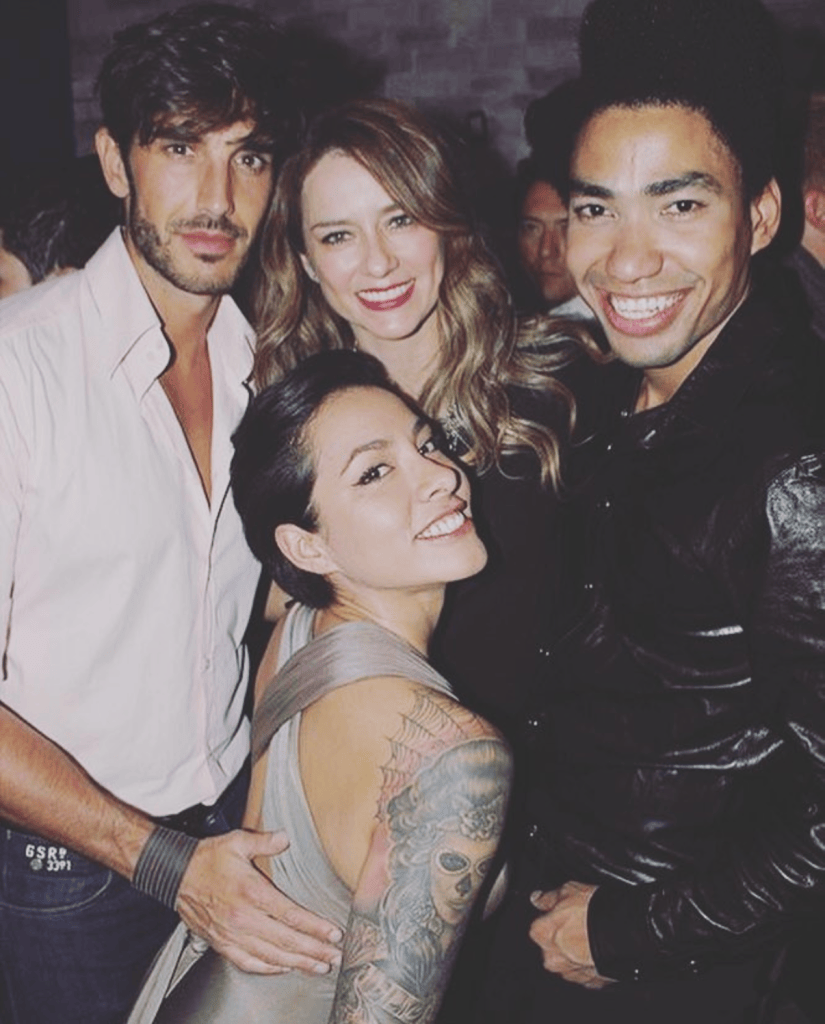
In the year 2013, I was enjoying what felt easy to me: coordinating talents, event producers, and top-of-the-line event promoters at Tara nightclub in La Roma, Mexico City. A girlfriend told me I had the dream job.
I was surrounded by models and celebrities all the time, and I even got an invite from the director of a top Latin American network to come in and do a tryout to be a TV host—and honestly, I couldn’t have cared less.
I actually landed this coordinator job on a spur of the moment when the Shark Documentary project I went to Mexico City for didn’t fall through. I was also there working toward my PADI diving certification for the project. After a few months of waiting for things to align, I was in dire need of cash flow.
I was on a very serious path to becoming a Producer. All the doors were opening for me. I had big-shot dreams, and skills, mind you.
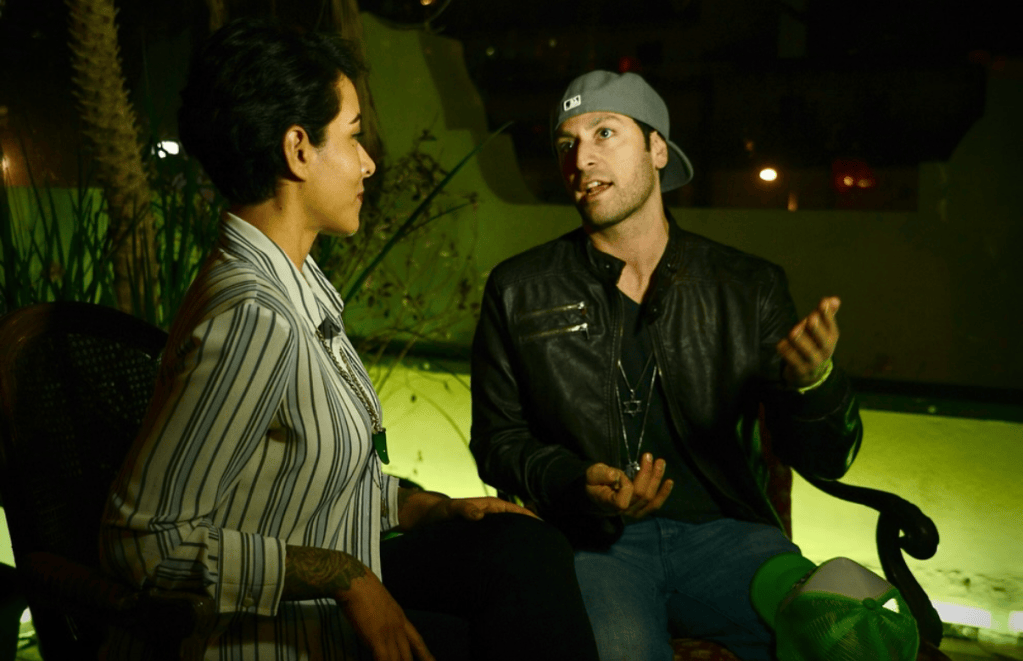
Interviewing DJ Martial for a Television Network
But once I was there, I realized that although there are good times and great people, there are also a lot of negatives.
First of all, it’s a man’s world. Almost every move required some ass-kissing I wasn’t willing to supply. Secondly, exposure to drugs and alcohol is prevalent at any given time and day, and in abundance. But thirdly, and most importantly, I noticed how much of a workaholic I can be. Working obsessively around 16 hours daily, many times more. This kept me away from my daughter in seasons. I did not like that, and it would quite literally depress me.
How I spent most of my birthdays, working. Editing for hours without end.
It was becoming more and more difficult for me to be a good friend, to pay attention to details, to be truly present for anything other than work, to manage it all.
A highly-efficient depressive gal.
I had to make changes.
And my heart goes out to people who battle with creating new habits and letting go of bad ones because I’ve gone through the complexities of pursuing a reset for transformation, to fine-tune my spirit, for an embarrassingly lengthy period of time. It’s not easy bringing down the tempo. I strayed many times, falling back to ground zero.
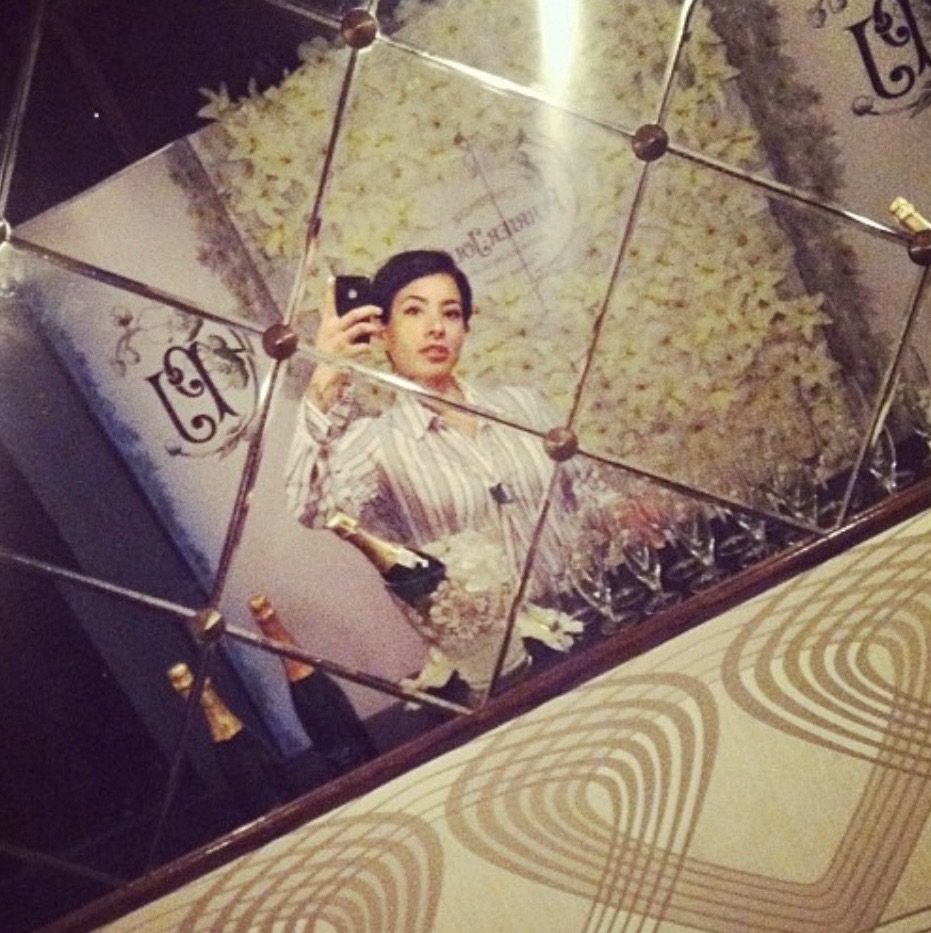
Mercier Champagne – Private Event
Even to this day, I have to remind myself to be good to myself, to eat right, to keep my balance of time for health and family. It’s been gradual growth.
We need to continuously return to what brings us back to calm.
For example, one of my go-tos is a cozy restroom for luxurious self-care sessions. There’s something about a beautiful space and relaxing music that allows me to slow down and breathe. I’ve created an inspirational interior design board for an ideal cozy restroom, which you can visit here.
So yes, I’m both a winner and a quitter, but on my own terms. I like that about myself.
And how about you? Are you a quitter too? What have you quit that you are proud of?
___________________________________________
If you’d like to support the work behind these stories, you canBuy Me a Coffee.